6 Reasons Why You Should Include Ghee In Your Diet

Ghee has been used for centuries in certain parts of the world but it has only recently become popular in western culture.  Commonly used in Ayurveda it is believed to help purify and cleanse the body.  For those who aren’t familiar with ghee it is clarified butter traditionally made from cows milk that has had the water and milk fats removed.  Nutritionally rich like coconut oil, ghee is a great fat to cook with.  Here are my top six reasons why you should consider adding ghee into your diet:

  1. Ghee has a high smoke point and is very stable to cook with.
  2. Ghee is lactose and casein free which makes is a great fat for people who struggle with digesting lactose.
  3. Ghee helps to support weight loss.  The medium chain fatty acids in ghee help to burn other fats that are in our system, and it is believed that ghee helps to jumpstart our digestive system.
  4. Ghee contains butyric acid which is helpful in maintaining a healthy colon.  Butyric acid has been shown to help people suffering from IBS and Crohn’s disease.
  5. Ghee is rich in fat soluble vitamins A, D and E.  Fat soluble vitamins are vitamins that require fat to be present in order for the body to absorb them.  They help to support various biochemical functions within the body and maintain a healthy metabolism.
  6. Ghee helps to create a more alkalizing environment within the body, which in turn helps to reduce inflammation particularly in the digestive tract.  Chronic inflammation has been linked to many diseases including cancer, arthritis and Alzheimer’s disease so it is important to try to reduce the level of inflammation within the body.

Ghee has a buttery taste that adds great flavour to many dishes.  Remember though- moderation is key. Just because something is good for doesn’t mean that you need to overdo it.

What is your favourite oil to cook with?

I hope that you have a great day!  XXS

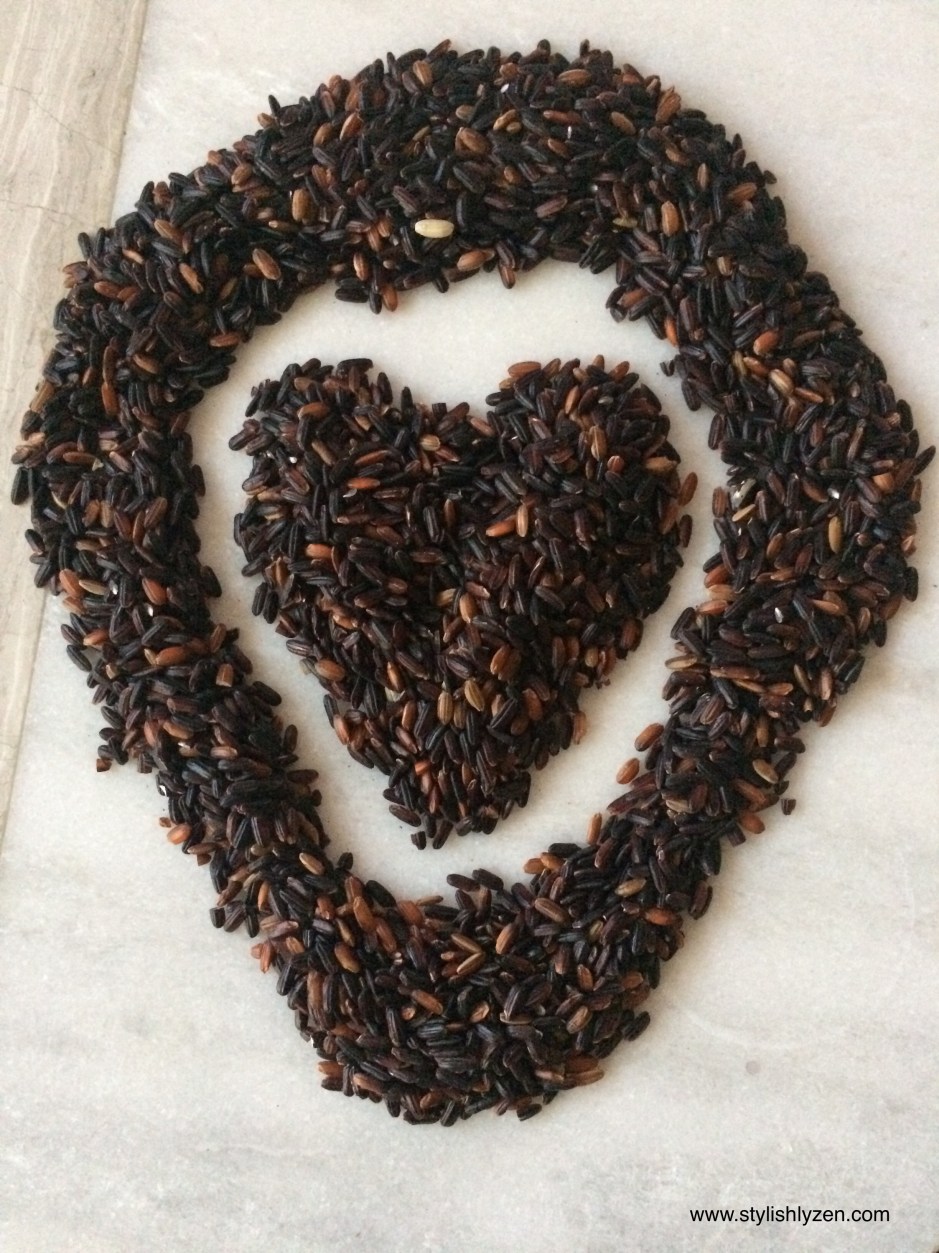
Beautiful Black Rice

There is something about black rice that makes me happy.  I think that it is the rich purple-black colour and how it makes any dish that it is a part of a gorgeous work of art.  For thousands of years black rice was reserved for Chinese royalty and was often referred to as “forbidden rice”.

Rich in powerful disease fighting antioxidants, anti-inflammatory properties and dietary fibre some studies have shown that black rice can potentially to stop the development of heart disease, diabetes and cancer in the body.

The deep purple-black colour is an indication of black rice’s high antioxidant properties similar to those found in blueberries.  Black rice is the only grain that contains the antioxidant Anthocyanin.  This particular antioxidant has been shown to help reduce inflammation, improve brain function and prevent cardiovascular disease and cancer caused by free radical damage.  Nutrients are generally lost from grains when the outer layers including the hull and the bran are removed.  Only whole grains that include all of their naturally occurring parts are able to retain their vitamin, minerals, fibre and antioxidants.  Therefore, black rice is a a wholegrain nutritional superpower.

Black rice is high in Vitamin E which is often promoted to slow aging, reduce scarring, protect against air pollution and assist with infertility issues.  Vitamin E is a fat soluble vitamin though so ensure to include some healthy fats when using black rice in a dish to help with absorption.

So what does all of this mean for you?

Black rice is a superpower in the world of whole grains and deserves a place on your plate. It is a beautiful and tasty addition to many meals. Black rice is filled with both health and beauty benefits that will help you to look and feel your best and keep you on the road to good health.

One Serving of black rice contains (1/2 cup cooked)

160 Calories                      2g of Fibre

1.5g of Fat                          5g of Protein

34g of Carbohydrates     4% DV of Iron

Prior to cooking, I recommend soaking black rice for a minimum of 8 hours to help to release any phytic acid within the rice (grains, rice and legumes are all high phytic foods which raise the risk of zinc and iron deficiency.  Soaking helps to resolve this issue by releasing the phytic acid within the food).

Do you regularly include black rice in your diet?  What is your favourite meal to include it in?  Let me know in the comments below

I hope that you have a great day!

XXS


My Battle With This Horrible Tasting Superfood

In my quest to clean up my diet I have tried a myriad of so called superfoods.  One superfood that caught my attention a few years ago was algae – more specifically spirulina and chlorella. As high source of protein and nutrient dense, this blue green algae is filled with many vitamins and minerals including magnesium, calcium and B vitamins. The benefits of spirulina and chlorella include regulating blood pressure, lowering cholesterol, boost energy and detoxification from heavy metals.

Given the amount of research supporting the beneficial health claims of both spirulina and chlorella I was interested in adding it into my diet.  Most people who supplement with these algae tend to add it to their smoothies but I am not a big smoothie drinker as I generally prefer to chew my food. Adding aqua greens into my non existent smoothie routine was not going to work for me.  I decided that the best way to take the spirulina and chlorella was to mix it with water and just gulp it down.  I generally don’t have to much difficulty introducing new things into my diet and I assumed that spirulina and chlorella wouldn’t be an issue.

I was wrong.

Nothing I have ever eaten in my entire life could have prepared me for the disgusting, pungent, nauseating taste of this algae.  It smelt funny, tasted worse and left me with an distinctly queasy feeling that I hope to never experience again.  I was traumatized. But I am also stubborn and giving up on my goal of including spirulina and chlorella in my diet was not something that I was willing to do just yet.  So for the next few days I would faithfully mix a spoonful of the powdered greens with water and choke it down telling myself that it wasn’t that bad, that the agony that I felt was all in my head. I was lying to myself and I was not very convincing.

Spirulina and chlorella soon became my superfood nemesis and I was willing to avoid it all cost.  I would think of excuses as to why it was not a good idea to drink it that day, I would “forget” to drink  it on the days that I couldn’t think of an excuse and I would hide the container in the back of my fridge so that it would be “out of sight, out of mind”.  I should have just thrown in the proverbial towel, thrown away the pricey container of spirulina and chlorella and moved on, but I read a lot of articles and do a lot of research on health and well being, and I was frequently reading about the benefits of these powerful algae.  A small part of me was just not willing to completely give up.

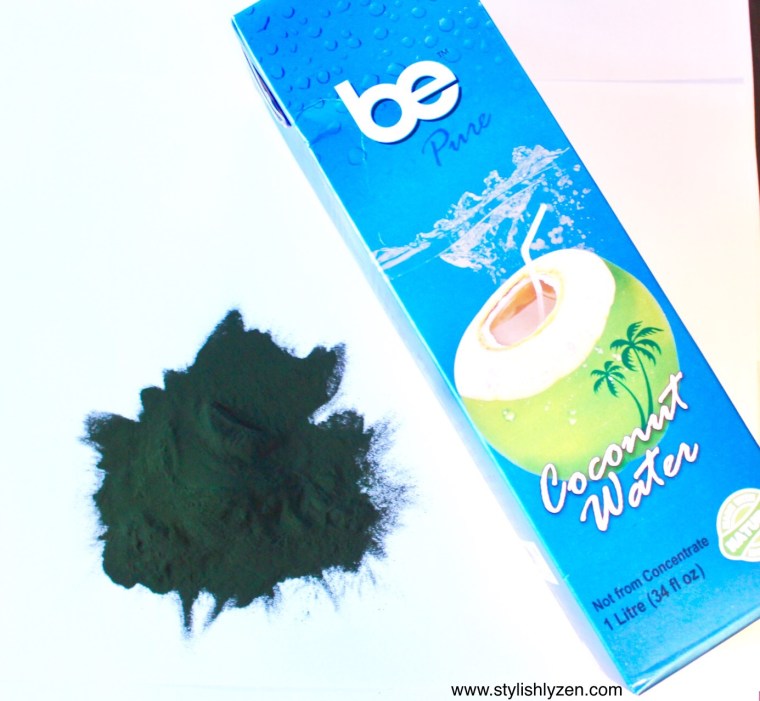
I finally came across an article that solved my dilemma. It discussed how wonderful blue green algae was for the body, and offered a simple suggestion for those wanting to create an easy and energizing beverage using spirulina and chlorella – instead of mixing the greens with plain water, use coconut water instead.  The sweetness of the coconut water neutralizes the strong seaweedy taste of the chlorella and spirulina and the addition of the coconut water offers extra hydration and electrolytes.  Genius!  I hadn’t thought to mix it with anything else as I generally stick to water or tea as my choice of beverage. I immediately ran to the grocery store to purchase a carton of pure coconut water and the next morning before heading to the gym I tested out my “new” concoction – while the taste wasn’t amazing, it is tolerable and even somewhat refreshing.  Now I’m hooked.  Spirulina and chlorella mixed with coconut water is the perfect pre-workout beverage, it’s protein rich, hydrating, energizing, healthy and filling.
img_1817

For those of you interested in boosting your superfood intake with spirulina and chlorella:

  • only purchase algae that is clean, safe and pure – environmental pollution can contaminate algae
  • purchase organic to ensure that it is free of fertilizers and toxins
  • purchase from a reputable maufacturer
  • some people are allergic to spirulina and chlorella, seek medical attention at the first sign of an allergic reaction
  • spirulina and chlorella can interfere with certain medications including blood thinners.  Check with your doctor to ensure it won’t interfere with any medications you are on and if you are pregnant or breastfeeding

Spirulina and chlorella can be great and healthy additions to many diets but the key is to find a way to take it in a way that works best for you and be consistent.  By mixing it with coconut water you have an easy, energizing and healthy drink to help you power through your day.

Are there any super foods that you have struggled with?

I hope that you have a great day!  XXS

The Nightcap You Should Be Drinking

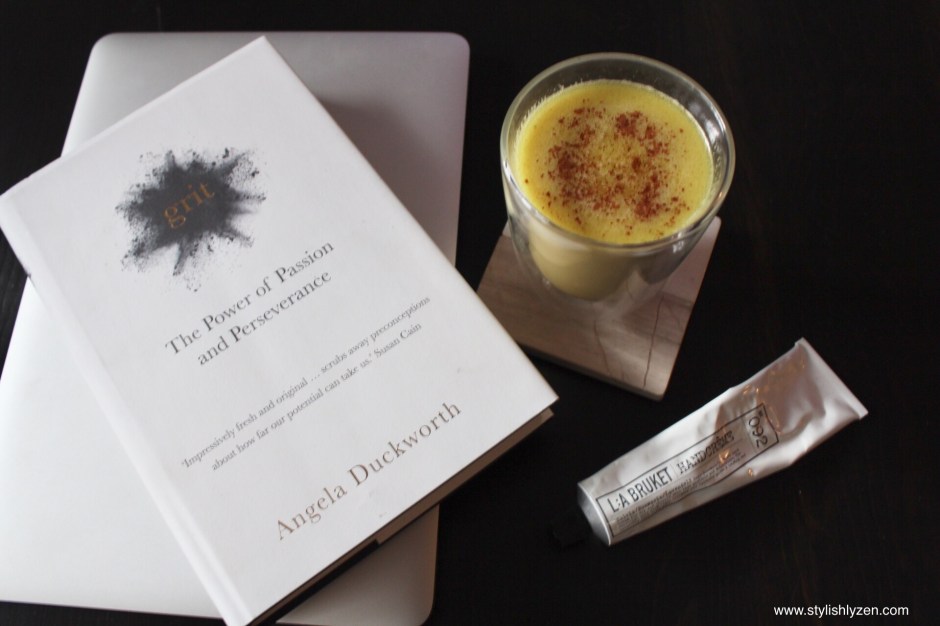
Golden milk has had a surge in popularity over the past few years within the wellness community, but it has been used within Indian culture for centuries.  Historically known as Haldi ka Doodh (directly translated it means turmeric milk) it has been used to maintain good health and treat various ailments throughout the years.  Haldi ka doodh was often suggested when someone caught a cold in my house growing up, but it never sounded appealing and I somehow (thankfully) managed to avoid having to drink it.

A few years ago I came across a recipe for golden milk which was an updated (translation: more delicious) version of haldi ka doodh and I was intrigued by the many benefits that it was reported to have including being a powerful anti-inflammatory, improving brain and memory function and better immunity.  The benefit that stood out the most for me was that it was a cure for insomnia.  While I was sceptical that this drink would be the miracle sleep potion that I had been searching for, I had spent enough sleepless nights tossing and turning that I was willing to try anything.  Truthfully, golden milk did not send me into dream land for the next eight hours like I had been hoping but it was delicious and very relaxing and that was a start.

Over time I have fine tuned my own golden milk recipe and it has become a tasty part of my wind down ritual before bed.  Filled with healthy fats and warming spices this drink is as comforting as it is delicious. While drinking golden milk doesn’t guarantee a good night’s sleep, it is a delicious, healthy and relaxing beverage that can be enjoyed at any time or the day.

Golden Milk Recipe a la Stylishly Zen

Yields: 1 serving

Ingredients:

1 cup unsweetened almond milk

1 teaspoon coconut oil (virgin, cold pressed)

1 teaspoon raw honey

1/4 teaspoon turmeric

1/4 ground cardamom

pinch of black pepper

sprinkle of cinnamon

Heat the almond milk, coconut oil, turmeric, cardamom and black pepper in a small saucepan over medium heat stirring occasionally until heated through (just under a boil).  Pour into a mug, stir in the raw honey and sprinkle with cinnamon.

Enjoy!

Let’s Talk Turmeric

Superfoods is the buzziest of buzz words in the world of nutrition, and one of the most popular of the bunch is turmeric.  Renowned as a powerful natural anti-inflammatory this brightly hued herb has been used in Asian cultures for centuries.

Turmeric’s popularity has reached new heights over the past few years, but what many people don’t realize is curcumin a polyphenol found in turmeric is the real superhero.  Curcumin has potentially disease reversing properties, in studies it has been observed to regulate inflammation, decrease cancer risk, support detoxification and suppress oxidation that has been associated with high blood pressure and several types of cardiovascular disease.

Many studies and people believe that the benefits of turmeric surpass the effects of certain drugs including anti-depressants such a Prozac, many pain killers and anti-inflammatory drugs, diabetes drugs and cholesterol drugs and steroids.

Turmeric is now being studied extensively on it’s potential to improve chronic digestive problems including inflammatory bowel disease (IBS) and Crohn’s disease, arthritis symptoms and cognitive function.

So what does all of this mean for you?  While you should never replace medication with a natural herb without consulting your doctor or a medical professional, turmeric is a great addition to your diet.  Turmeric can easily be added to various dishes and  seasonings and it is also available in pill form for those who prefer to supplement their diets with it.  Two things to remember when including more turmeric in your diet:

  • Turmeric is fat soluble – this means that it dissolves in fat.  Taken without fat, your body will not reap the full potential benefits of it.  This is why turmeric is best taken with meals.
  • Black pepper helps to increase the bioavailability of turmeric by 1000%.

Unless taken in extremely high doses Turmeric has no known side effects.  Potential side effects include:

-nausea

-diarrhea

-increased risk of bleeding

-uterine contractions in pregnant woman (it’s best if pregnant woman avoid supplementation)

-increased menstrual flow

Overall Turmeric is the real deal in the world of superfoods and nutrition but, like everything in life moderation is key.  I love to add turmeric to my eggs, sauces and tea for an extra antioxidant boost.  What is your favourite way to include turmeric in your diet?  Let me know in the comments below

I hope that you have a fabulous day!

XXS