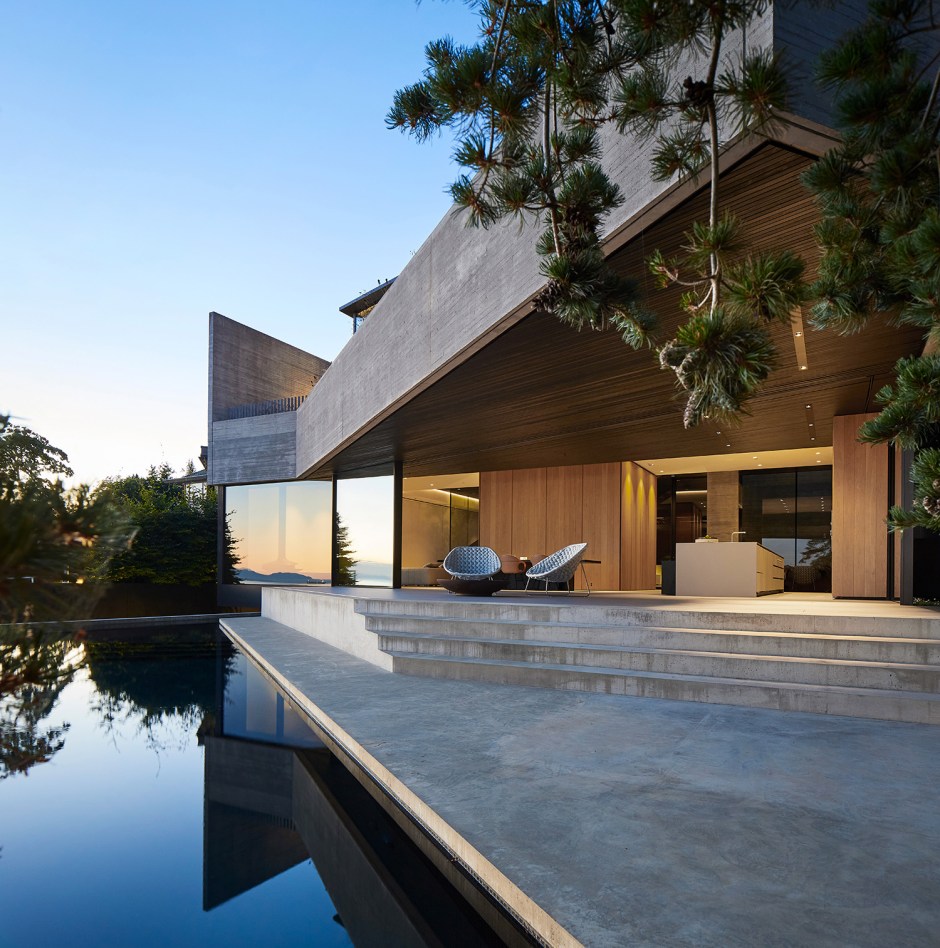
Located in West Vancouver, the Liminal House is a three storey residence that boasts a roof garden, inner courtyards and a swimming pool. Made of materials such as glass, concrete, aluminum plate and Accoya wood blends beautifully into its surroundings.
Taking four years to complete, this gorgeous home was designed by McLeod Bovell for a couple that was soon to become empty nesters. The name Liminal reflected the changes in both the owners lives and the area to where to home is located.
The home inspires a sense of tranquility and grounding. The affect of the sharp angles, combination of materials and breathtaking views is almost meditative.
I am just going to say it – 2023 was not my best year. I had so many goals and dreams and yet I frequently found myself exhausted, frustrated and not living my best life. That is not to say that I didn’t achieve some of my goals but overall I am feeling like I let myself down both professionally and personally. Thankfully though, I have been consistent in working towards some of my goals over the past few months and I plan to be even more disciplined in 2024. One goal that I haven’t been giving any energy to in 2023 was blogging – despite loving to write, I only blogged twice last year! I have no excuses, you will be hearing from me a lot more in 2024! I already have a few posts lined up and I can’t wait to share them with you.
I hope that your 2024 is off to a wonderful start and I can’t wait to reconnect! XXS
There are many architecture and design firms around the world whose work I greatly admire. Within the many there are a few whose work continues to stop me in my tracks as I attempt to absorb every aspect of their gorgeous projects – Space Copenhagen is firmly within that group. Co-founders Singe Bindslev Heriksen and Peter Bundgaard Ruitzou admirably infuse each project that they complete with their oh so cool Scandinavian flare and I am hooked. Last year Space Copenhagen completed the design of a new upscale restaurant in Antwerp and it is gorgeous! Located in the heart of the city, Blueness restaurant occupies the ground floor of a 17th century Renaissance building in Antwerp’s fashion district. The result is an incredible fusion of classic interior architecture and modern Scandinavian design.
A Japanese French eatery, Blueness is a mosaic of identities. Minimalist touches beautifully contrast with the classic architecture of the space including the solid aluminum waiters station that stands in sharp contrast to the marble and sandstone columns. Space Copenhagen set out to create a “tension between past and future”, the result is unexpected, elegant and timeless. Candles suspended overhead on brass chandelier disks give the space a warm, welcoming glow. The result is just the right amount of wow factor in a stunning space.
What do you think of the Blueness Restaurant design? Let me know in the comments below.
I hope that your 2023 is off to a great start and will only get better from here! After what seems like being cooped up indoors for months due to the cold winter weather, today’s Dreamy Design feature feels like a breath for fresh air. Located in the United States, the Black House in the woods by Kireeva Anna is positively swoon worthy. Grounded in the colour black and accented with green and orange this gorgeous home provides a moody statement amongst the trees. Designed to bring people closer to nature thru the use of colours, natural materials and large windows, this home blends beautifully with it’s surroundings. I am currently dreaming about enjoying a cup of coffee in that stunning kitchen taking in the gorgeous surroundings. Love it!
As my love of design has grown over the years, I am frequently researching new projects. I have a special love for transformation projects that modernize older buildings into fresh new spaces while still respecting the original bones of the building. I recently came across today’s featured project and was instantly captivated.
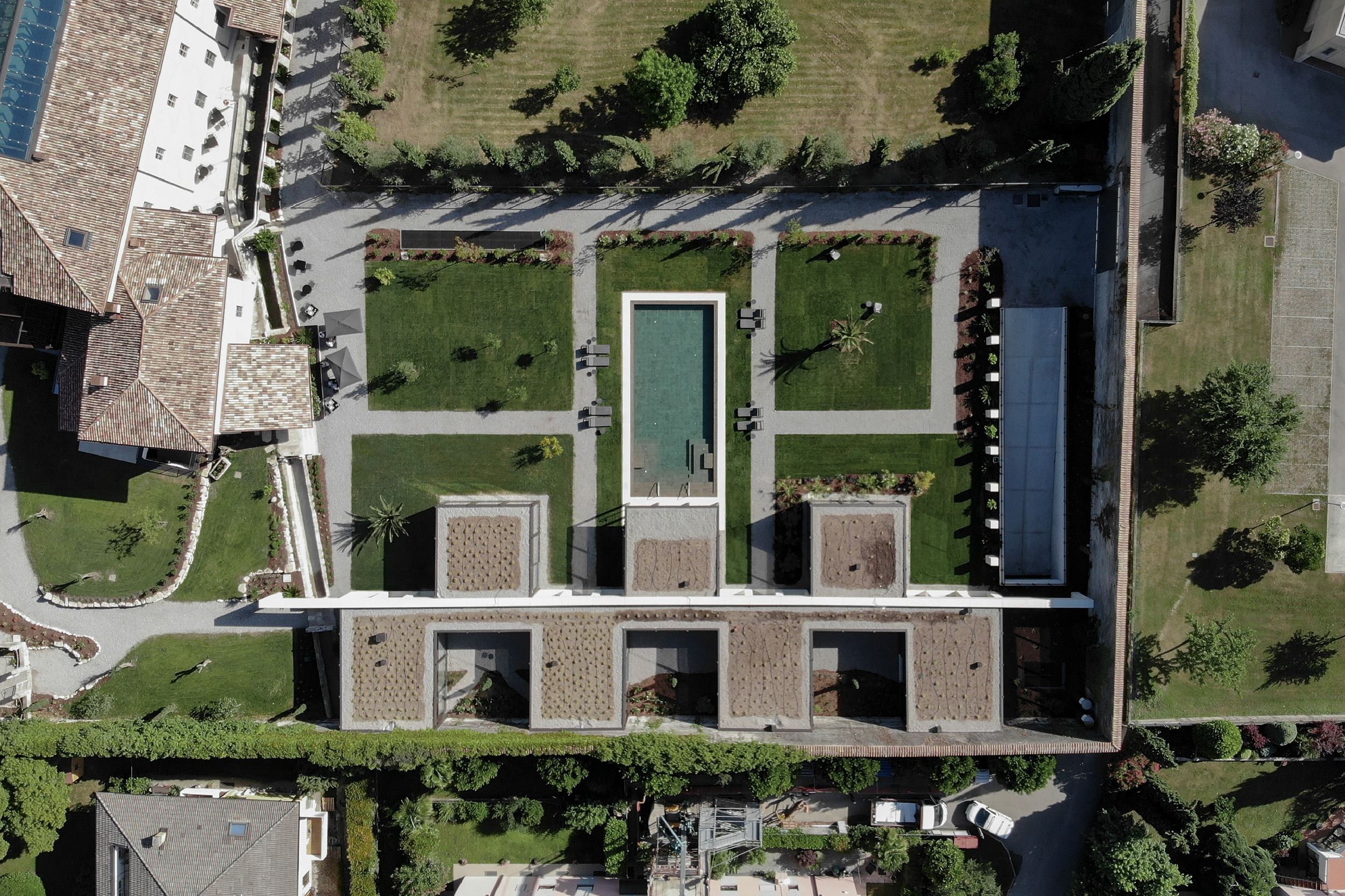
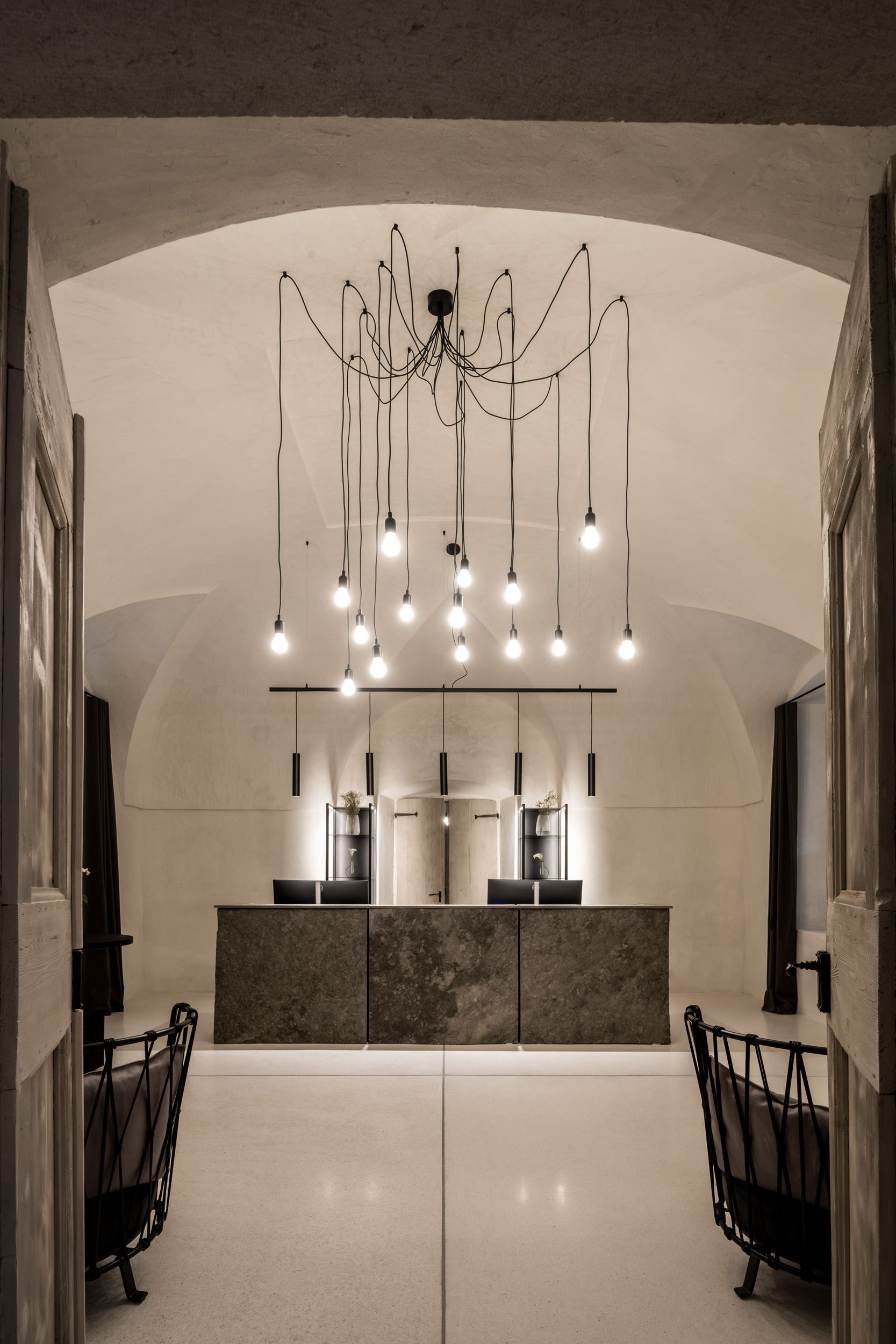
The Network of Architecture was hired to transform a 17th century monastery into a chic spa and hotel. Located near Lake Garda, Italy the project was twofold – to restore the monastery and make the most of its distinctive elements while converting it to a charming and unique hotel, and to design and develop a new wellness centre that includes a 500 square metre garden, multiple treatment rooms and saunas that would seamlessly integrate into its surroundings.
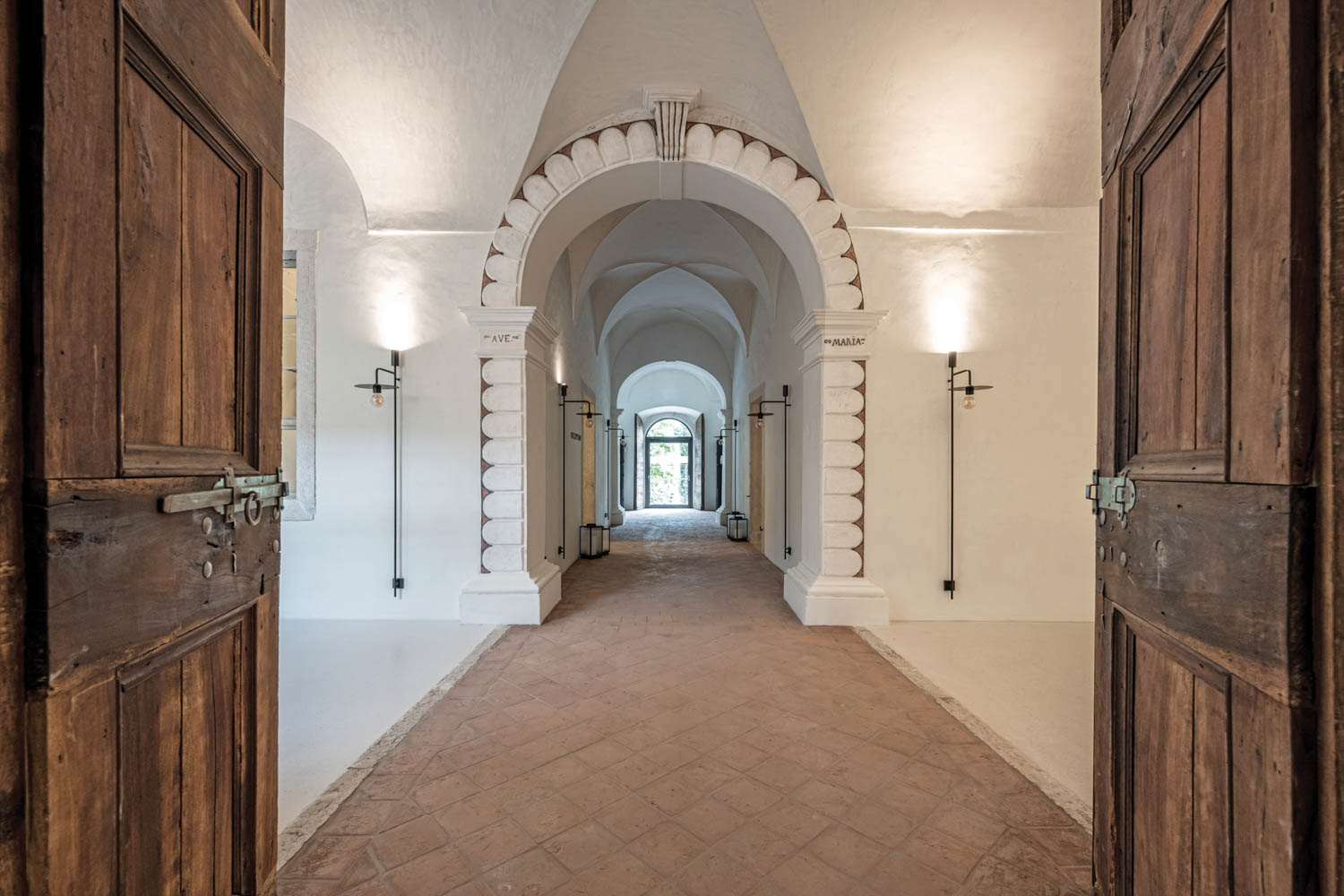
Like many historical restorations, this one had its challenges. After being cleaned, the building needed to be reinforced, restored and updated under the watchful eye of the local Heritage office who had the power to veto any detail. The heritage office called for a light touch for this restoration so while modern fire and heating systems were added to the building, the plaster walls, stone staircases and rib vaulted ceilings were carefully restored.
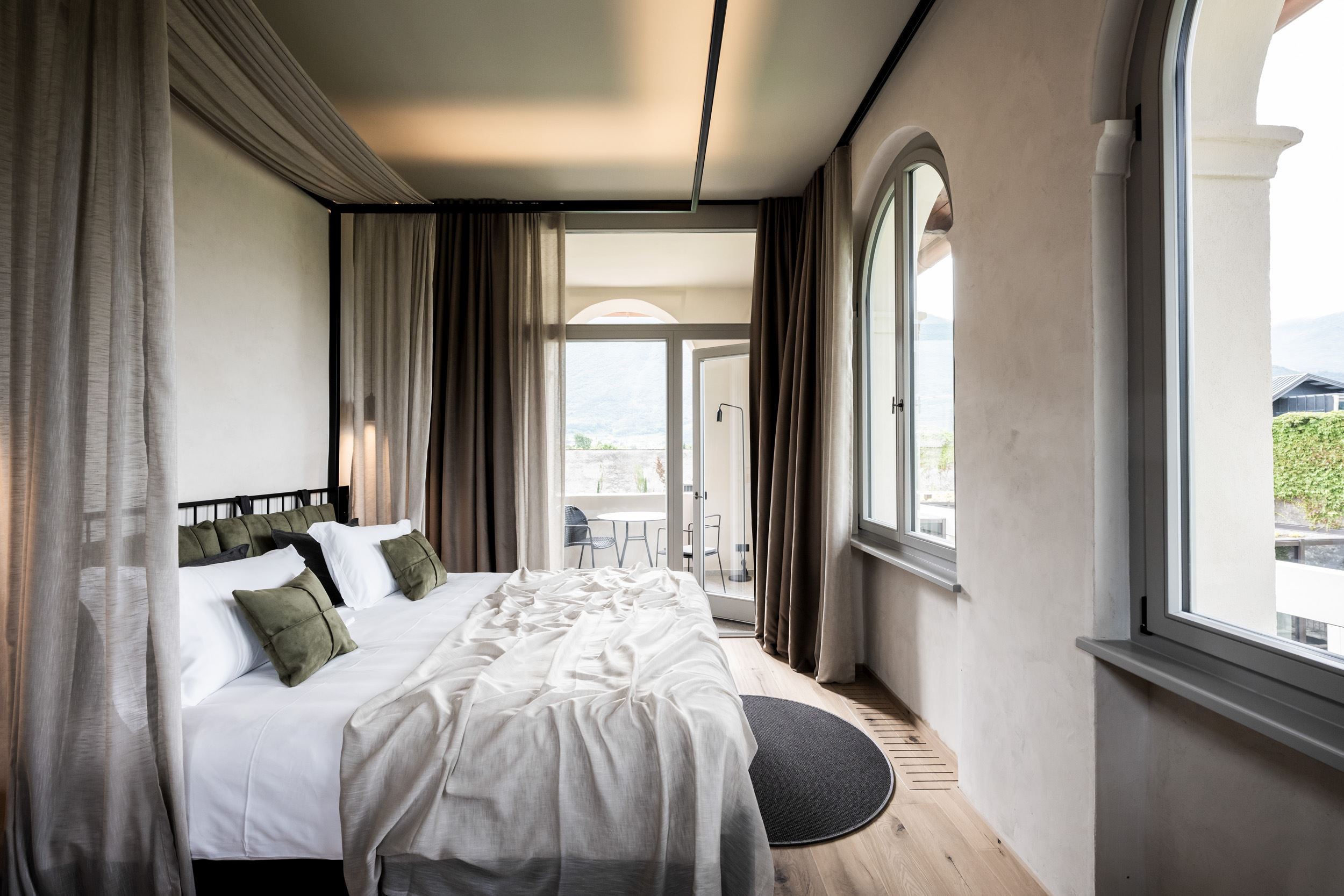
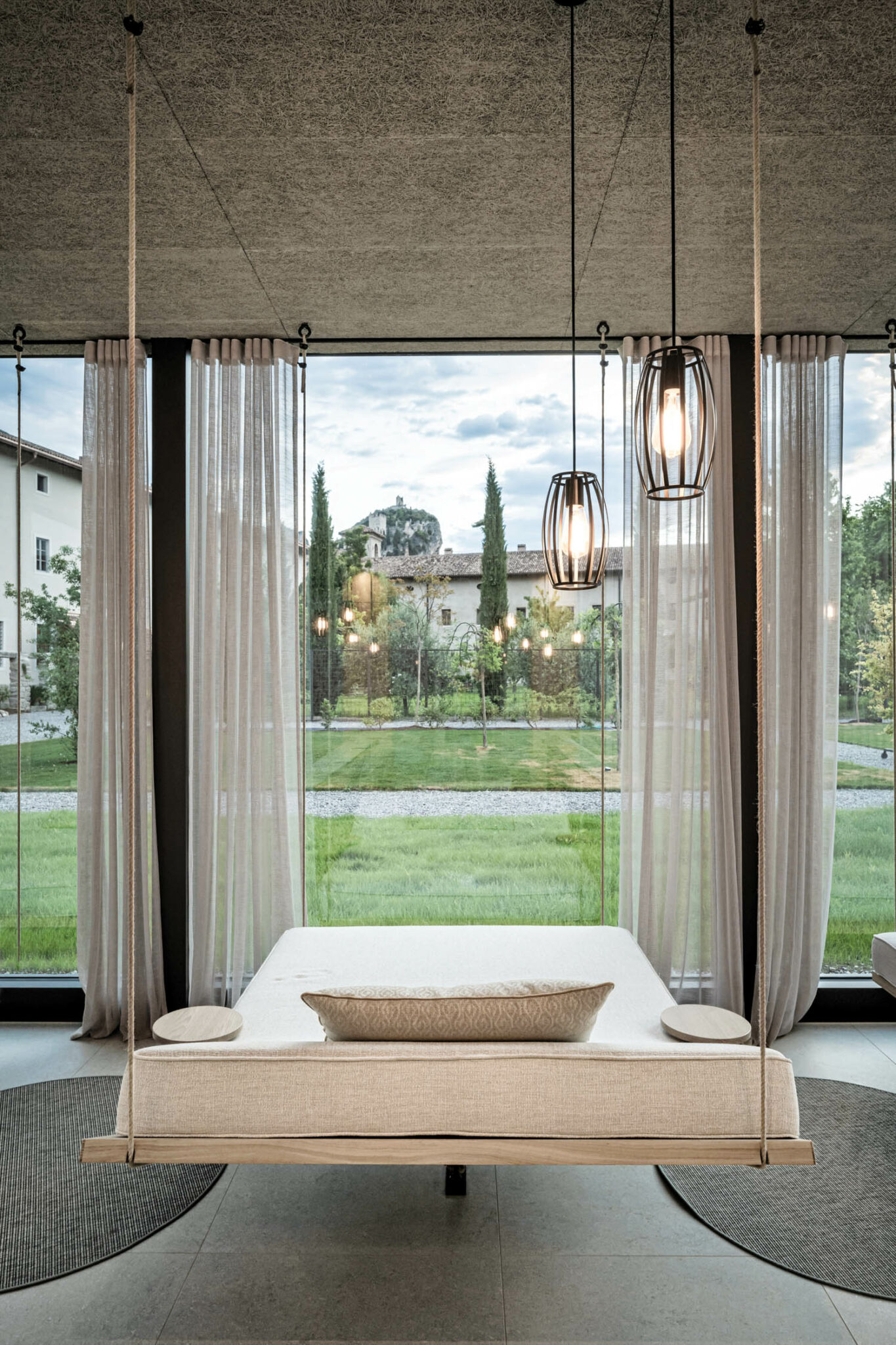
Throughout the 40 room hotel, the black, grey and white colour palette for the fixtures and furnishings match the austere palette of the monastery. The newer building echoes the original and is mainly built in plaster and stone. The 5,600 square foot spa building has a colonnade wall made of Vicenza stone that is the spine of the building with seven glass and steel cubes attached to it that house the harman, sauna, massage rooms and relaxation areas. Wood panels laser cut in a geometric pattern of the hotel’s logo pomegranates are seen throughout the space. Bleached oak along with cotton and linen effect textiles add warmth to the space and encourage relaxation for its visitors.
The restrained design of both the hotel and the wellness centre provides a sense of peace for its visitors. It encourages people to slow down, lower their voices and take some time for self reflection and restoration.
This is the perfect wellness retreat for wary travellers to sit back and relax in historical surroundings. The Network or Architecture has done a phenomenal job creating a space for wellness while respecting its history. Love it!
What do you think of this space? Let me know in the comments below.













 Stylishly Zen